Tag: oral bacteria

  • What Causes Bad Breath? Understanding the Oral Microbiome and Natural Solutions

    What Causes Bad Breath? Understanding the Oral Microbiome and Natural Solutions

    Understanding the Oral Microbiome and How to Restore Balance Naturally

    What causes bad breath

    Bad breath, also known as halitosis, is a common concern that affects people of all ages. While occasional bad breath can be caused by foods like garlic or onions, persistent bad breath usually points to an imbalance inside the mouth rather than poor hygiene alone.

    Understanding what causes bad breath requires looking beyond surface-level solutions and exploring the role of the oral microbiome, the community of bacteria that naturally lives in the mouth.


    What Is the Oral Microbiome?

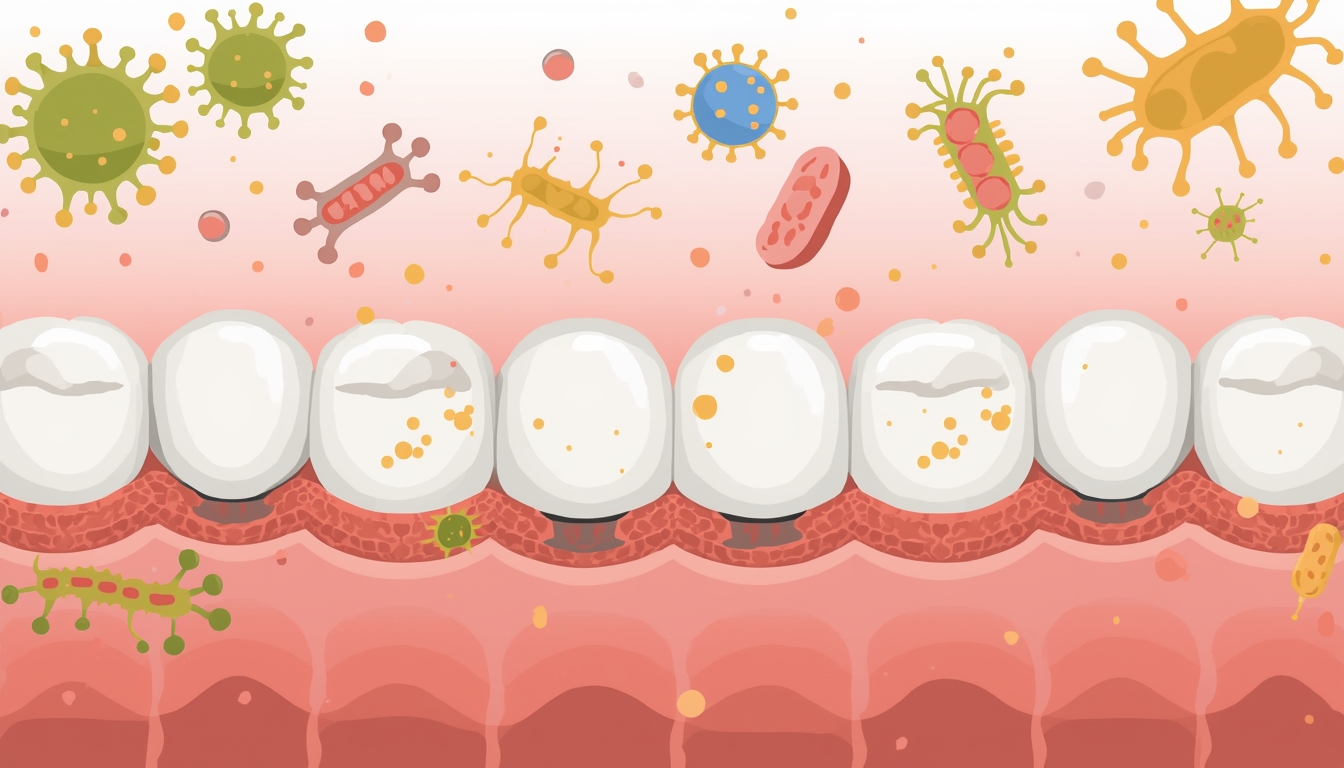
    The oral microbiome is made up of hundreds of bacterial species that live on the teeth, tongue, gums, and saliva. Some of these bacteria are beneficial and help protect oral tissues, while others can contribute to plaque buildup, gum irritation, and unpleasant odors.

    When the oral microbiome is balanced, beneficial bacteria help control harmful strains. When this balance is disrupted, odor-causing bacteria may become dominant.

    ➡️oral microbiome and dental health


    How Bacteria Cause Bad Breath

    What causes bad breath

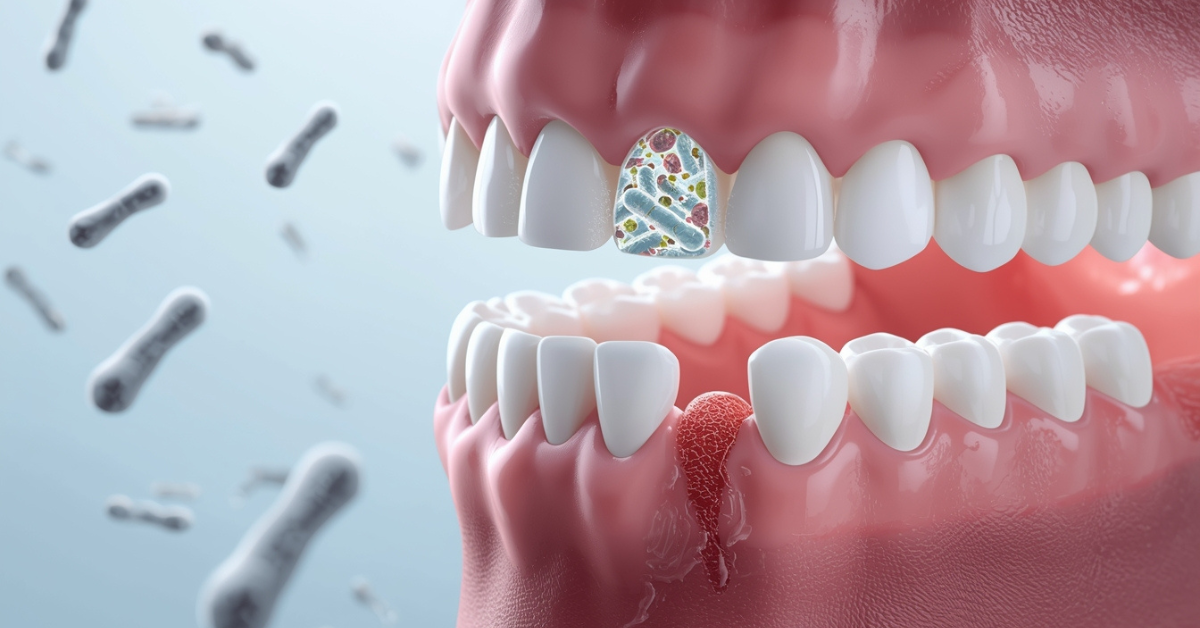
    The main cause of chronic bad breath is the production of sulfur compounds by certain bacteria. These bacteria feed on food particles and proteins left in the mouth, especially on the tongue and along the gum line.

    As these bacteria break down proteins, they release volatile sulfur compounds, which are responsible for unpleasant odors. Poor oral hygiene, dry mouth, and gum inflammation can increase the growth of these bacteria.


    Common Causes of Persistent Bad Breath

    Several factors can contribute to long-lasting bad breath, including:

    • Bacterial buildup on the tongue
    • Gum inflammation or bleeding
    • Dry mouth caused by dehydration or stress
    • Diets high in sugar and refined carbohydrates
    • Inconsistent oral hygiene habits

    These factors often work together, making bad breath difficult to resolve without addressing the underlying bacterial imbalance.


    Why Mouthwash Often Fails Long-Term

    What causes bad breath

    Many people rely on strong antibacterial mouthwashes to control bad breath. While these products may provide temporary freshness, they often eliminate both harmful and beneficial bacteria.

    This disruption can worsen the imbalance of the oral microbiome. As a result, odor-causing bacteria may return quickly, sometimes in greater numbers, leading to recurring bad breath.

    A balanced approach focuses on supporting beneficial bacteria rather than eliminating all bacteria.


    Restoring Balance to the Oral Microbiome

    Supporting a healthy oral microbiome is one of the most effective ways to address bad breath naturally. This involves creating an environment where beneficial bacteria can thrive and harmful bacteria are kept under control.

    Helpful practices include:

    • Gentle brushing and flossing
    • Regular tongue cleaning
    • Staying well hydrated
    • Reducing sugar intake
    • Avoiding excessive use of harsh mouthwashes

    Consistency in these habits plays a key role in restoring balance over time.


    The Role of Oral Probiotics in Breath Support

    Oral probiotics are designed to introduce beneficial bacteria directly into the mouth. These bacteria help compete with odor-causing strains and support a healthier microbial environment.

    By encouraging beneficial bacteria to colonize the mouth, oral probiotics may help reduce sulfur compound production and support fresher breath naturally.

    ➡️ oral health support solutions


    Diet and Its Impact on Oral Bacteria

    Diet plays an important role in shaping the oral microbiome. Sugary and highly processed foods feed harmful bacteria, increasing the risk of odor and inflammation.

    Foods that support oral health include:

    • Crunchy vegetables
    • Fiber-rich foods
    • Mineral-rich options
    • Low-sugar dietary choices

    Balanced dietary habits support saliva production, which helps naturally cleanse the mouth and control bacterial growth.


    When Bad Breath May Signal Other Issues

    Persistent bad breath can sometimes indicate underlying oral health concerns such as gum inflammation or plaque buildup below the gum line. Regular dental checkups are important for identifying and addressing these issues early.

    Professional guidance complements daily oral care and helps maintain long-term oral health.


    Long-Term Approach to Fresh Breath

    Managing bad breath is not about quick fixes. Long-term success depends on maintaining a balanced oral microbiome through consistent habits, proper hydration, and supportive care.

    Educational approaches to oral health emphasize prevention, balance, and sustainability rather than temporary solutions.


    Conclusion

    Understanding what causes bad breath begins with understanding the oral microbiome. Persistent bad breath is often the result of bacterial imbalance rather than poor hygiene alone.

    By supporting a balanced oral environment through gentle care, healthy habits, and microbiome-friendly approaches, fresher breath becomes easier to maintain over time. Focusing on balance rather than elimination creates a more sustainable path to long-term oral wellness and confidence.

  • Oral Probiotics: How They Support Gum Health and Fresh Breath Naturally

    Oral Probiotics: How They Support Gum Health and Fresh Breath Naturally

    Oral Probiotics

    Oral health is closely connected to overall well-being, yet it is often reduced to basic habits like brushing and flossing. While these practices are essential, recent studies and expert discussions highlight the importance of another key factor: the oral microbiome. This ecosystem of bacteria living in the mouth plays a central role in gum health, breath freshness, and long-term dental balance.

    When the oral microbiome is balanced, beneficial bacteria help protect gums, reduce odor-causing compounds, and support a healthier mouth environment. Oral probiotics have emerged as a natural approach to maintaining this balance, offering support beyond traditional oral care routines.


    What Are Oral Probiotics?

    Oral probiotics are beneficial bacteria specifically selected to support the health of the mouth. Unlike digestive probiotics, which target the gut, oral probiotics are designed to work directly in the oral cavity, including the tongue, gums, and teeth.

    These probiotics help populate the mouth with beneficial strains that compete with harmful bacteria. Over time, this competition can support a healthier microbial balance and reduce factors linked to common oral concerns.


    How Oral Probiotics Support Gum Health

    Oral Probiotics

    Gum health issues often begin when harmful bacteria become dominant in the mouth. This imbalance may contribute to gum sensitivity, irritation, and inflammation if left unmanaged.

    Oral probiotics support gum health by:

    • Competing with harmful bacteria for space and nutrients
    • Supporting microbial diversity in the mouth
    • Helping maintain healthy gum tissue
    • Contributing to a balanced oral environment

    Instead of aggressively eliminating bacteria, oral probiotics focus on restoring harmony, which is key for long-term gum wellness.


    Oral Probiotics and Fresh Breath

    Oral Probiotics

    Persistent bad breath is frequently caused by bacteria that produce sulfur compounds. These bacteria tend to accumulate on the tongue and along the gum line.

    Oral probiotics help limit the growth of these odor-causing microbes by encouraging beneficial bacteria to thrive. As balance improves, the production of unpleasant compounds may decrease naturally, contributing to fresher breath throughout the day.


    The Oral Microbiome and Overall Wellness

    Oral Probiotics

    The mouth serves as the gateway to the body, making oral health an important part of overall wellness. An imbalanced oral microbiome may influence digestion, immune response, and general health over time.

    Supporting oral bacterial balance is increasingly recognized as part of a holistic approach to health. This perspective has led many individuals to explore oral probiotics as a complementary addition to daily wellness routines.


    Daily Habits That Support Oral Probiotics

    Oral probiotics work best when combined with supportive lifestyle habits. Some important practices include:

    • Brushing teeth consistently with gentle techniques
    • Cleaning the tongue regularly
    • Staying hydrated to support saliva production
    • Limiting excessive sugar intake
    • Avoiding overuse of harsh antibacterial mouthwashes

    These habits help create an environment where beneficial bacteria can thrive more effectively.


    Are Oral Probiotic Supplements Helpful?

    Oral Probiotics

    While some fermented foods may contain beneficial bacteria, oral probiotic supplements are formulated specifically for oral health support. These supplements often use strains researched for their ability to survive in the mouth and adhere to oral surfaces.

    Products like ProvaDent are designed to support oral microbiome balance as part of a consistent routine, making them a practical option for those seeking targeted oral probiotic support.


    Long-Term Approach to Oral Health

    Maintaining oral health is not about quick fixes. Long-term results depend on consistency, balance, and awareness of how daily habits affect the oral microbiome. Oral probiotics align well with this long-term approach by supporting the natural balance of bacteria rather than disrupting it.


    Conclusion

    Oral probiotics offer a gentle, science-informed way to support gum health and fresh breath naturally. By focusing on microbial balance instead of elimination, they help maintain a healthier and more stable oral environment over time.

    When combined with good hygiene habits and mindful lifestyle choices, oral probiotics can become a valuable part of a sustainable oral care routine. As understanding of the oral microbiome continues to grow, supporting it naturally is increasingly recognized as an effective strategy for long-term oral wellness.

  • Gum Health and Bacteria Explained

    Gum Health and Bacteria Explained

    Understanding the Connection Between Gum Health and Bacteria

    Gum Health and Bacteria Explained

    Gum health and bacteria are directly connected through the balance of microorganisms that live along the gum line. Healthy gums rely on beneficial bacteria to control harmful strains, reduce inflammation, and protect gum tissue. When this balance is disrupted, common issues such as sensitivity, redness, and bleeding may occur.

    Understanding how bacteria influence gum health helps explain why gum problems can develop even in people who brush their teeth regularly.


    The Role of Bacteria in Gum Health

    Gum Health and Bacteria Explained

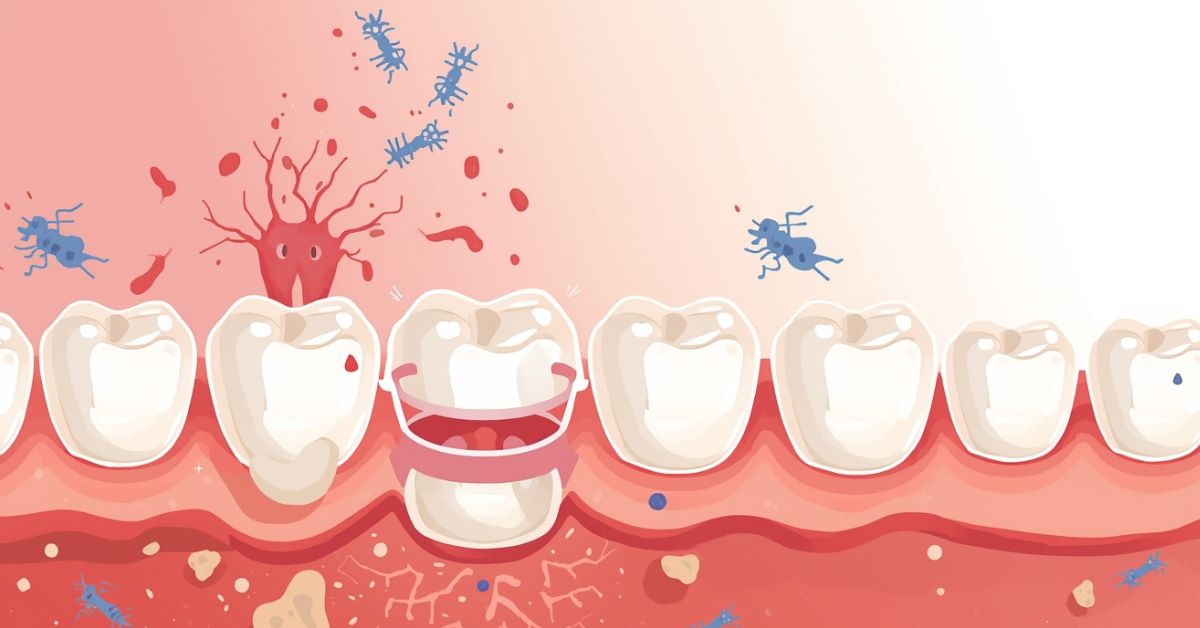
    Bacteria naturally accumulate around the gum line in the form of dental plaque. While many bacteria are harmless or beneficial, certain strains release toxins that irritate gum tissue. This irritation can trigger inflammation, causing redness, swelling, and discomfort.

    When plaque is not properly managed, harmful bacteria may multiply, increasing the risk of gum irritation and long-term periodontal issues.


    Signs of Bacterial Imbalance in the Gums

    An unhealthy balance of oral bacteria may lead to noticeable gum symptoms, including:

    • Bleeding gums
    • Persistent redness
    • Swelling around the gum line
    • Gum tenderness or sensitivity

    These signs often indicate inflammation caused by an overgrowth of harmful bacteria.

    ➡️ oral microbiome and dental health


    Inflammation and Gum Tissue Damage

    Gum Health and Bacteria Explained

    Chronic inflammation caused by harmful bacteria can weaken gum tissue over time. Persistent bacterial irritation may damage the connective tissue that helps keep teeth securely in place.

    Maintaining a healthy balance of oral bacteria supports the body’s natural defense mechanisms and helps protect gum structure from long-term damage.


    Diet and Gum Bacteria

    Gum Health and Bacteria Explained

    Diet plays a significant role in shaping bacterial balance in the mouth. Diets high in sugar encourage the growth of harmful bacteria that worsen gum inflammation. In contrast, nutrient-dense foods help support beneficial bacteria and promote gum tissue repair.

    Foods that support gum health include:

    • Leafy green vegetables
    • Foods rich in vitamin C
    • Mineral-rich foods
    • Low-sugar dietary options

    Consistent dietary choices help create a healthier oral environment.


    Daily Habits That Affect Gum Health

    Gum Health and Bacteria Explained

    Daily habits strongly influence gum health and bacterial balance. Poor oral hygiene allows bacteria to multiply along the gum line, increasing the risk of inflammation.

    Habits that support healthier gums include regular brushing, flossing, proper hydration, stress management, and adequate sleep. Consistency is more important than aggressive or excessive cleaning.


    Supporting Healthy Gums Over Time

    Improving gum health requires more than short-term solutions. Supporting a balanced oral microbiome helps reduce inflammation naturally and maintain gum strength over time.

    Educational approaches to oral care focus on prevention, balance, and long-term consistency rather than reactive treatments.

    ➡️Oral health support solutions


    Conclusion

    Gum health and bacteria are fundamentally linked through the balance of microorganisms that live along the gum line. When beneficial bacteria are supported, the gums remain stronger, less inflamed, and better protected against irritation and long-term damage. On the other hand, bacterial imbalance can silently progress, even before noticeable symptoms appear.

    Understanding this connection highlights the importance of prevention rather than reaction. Gum health is not determined by a single habit, but by the combination of daily oral hygiene, dietary choices, hydration, and lifestyle consistency. Small daily actions play a significant role in shaping the oral environment over time.

    By focusing on maintaining a balanced oral microbiome, it becomes possible to support gum health in a more sustainable way. This approach encourages long-term stability, reduces the likelihood of chronic inflammation, and supports overall oral wellness naturally.

    Ultimately, healthy gums are the result of balance, awareness, and routine care. When bacterial harmony is maintained, the gums are better equipped to protect the teeth, support oral comfort, and contribute to lasting dental health.

  • Oral Microbiome and Dental Health Explained

    Oral Microbiome and Dental Health Explained

    Oral Microbiome and Dental Health Explained

    Oral microbiome and dental health are deeply connected through the balance of bacteria living inside the mouth. The oral microbiome consists of hundreds of bacterial species that naturally inhabit the teeth, tongue, gums, and saliva. When these bacteria remain balanced, they help protect the mouth from disease. When imbalanced, oral health problems may develop.

    Understanding how the oral microbiome works is essential for maintaining healthy teeth and gums over time.


    What Is the Oral Microbiome?

    The oral microbiome refers to the community of microorganisms living in the mouth. These bacteria play an important role in breaking down food particles, controlling harmful microbes, and supporting the immune response within the oral cavity.

    A healthy oral microbiome contains beneficial bacteria that prevent the overgrowth of harmful strains. Poor oral hygiene, diet, stress, and certain medications can disrupt this balance, creating conditions that favor oral disease.

    Maintaining microbial balance is one of the foundations of long-term dental health and oral comfort.


    How Oral Bacteria Affect Dental Health

    Oral microbiome and dental health are strongly influenced by bacterial activity on the teeth and gums. Harmful bacteria feed on sugars and produce acids that weaken tooth enamel, increasing the risk of cavities. They may also irritate gum tissue, leading to inflammation and sensitivity.

    An imbalance in oral bacteria can contribute to:

    • Tooth decay
    • Gum inflammation
    • Bad breath
    • Increased plaque buildup

    ➡️ how oral bacteria affect gum health


    Gum Health and Inflammation

    When harmful bacteria dominate the oral microbiome, the gums may become inflamed and sensitive. Chronic inflammation weakens the protective barrier of the gums, allowing bacteria to penetrate deeper tissues.

    Over time, this process may increase the risk of gum recession and oral discomfort. A healthy oral microbiome balance supports gum integrity and helps reduce inflammation naturally, creating a more stable environment for oral tissues.


    Diet and the Oral Microbiome

    Diet plays a crucial role in shaping oral microbiome and dental health. Diets high in sugar and refined carbohydrates promote harmful bacteria, while nutrient-rich foods support beneficial strains.

    Foods that support oral health include:

    • Crunchy vegetables
    • Dairy products
    • Foods rich in minerals
    • Low-sugar options

    Consistent dietary habits help maintain a healthier bacterial balance in the mouth and reduce the risk of bacterial overgrowth.


    Lifestyle Factors That Influence Oral Health

    Lifestyle habits directly influence oral microbiome stability. Stress, smoking, dehydration, and poor sleep can negatively affect the oral microbiome by reducing saliva production and weakening natural defenses.

    Saliva plays an essential role in neutralizing acids and controlling bacterial growth. Maintaining hydration, managing stress, and practicing daily oral hygiene support long-term dental health and microbiome balance.


    Supporting Long-Term Dental Health Through Balance

    Rather than focusing only on brushing, supporting the oral microbiome creates a healthier environment for teeth and gums. A balanced microbiome contributes to fresher breath, stronger enamel, and healthier gums over time.

    Educational approaches to oral care emphasize prevention, balance, and consistency rather than reactive treatments.

    ➡️ Oral health supplements


    Extended Conclusion: Oral Microbiome and Dental Health

    Oral microbiome and dental health are inseparable elements of overall oral wellness. A balanced oral microbiome protects against cavities, inflammation, and gum disease by supporting the mouth’s natural defense systems.

    Long-term dental health is influenced by daily habits, dietary choices, and lifestyle factors that shape bacterial balance in the mouth. Understanding the role of the oral microbiome allows individuals to approach oral care from a preventive and educational perspective.

    By supporting beneficial mouth bacteria through consistent hygiene, mindful nutrition, and healthy routines, maintaining oral wellness becomes more sustainable over time. A balanced oral microbiome is not just about avoiding problems, but about creating an environment where teeth and gums can remain strong and resilient naturally.