

What Causes Bad Breath? Understanding the Oral Microbiome and Natural Solutions
Understanding the Oral Microbiome and How to Restore Balance Naturally
What causes bad breath
Bad breath, also known as halitosis, is a common concern that affects people of all ages. While occasional bad breath can be caused by foods like garlic or onions, persistent bad breath usually points to an imbalance inside the mouth rather than poor hygiene alone.
Understanding what causes bad breath requires looking beyond surface-level solutions and exploring the role of the oral microbiome, the community of bacteria that naturally lives in the mouth.
What Is the Oral Microbiome?
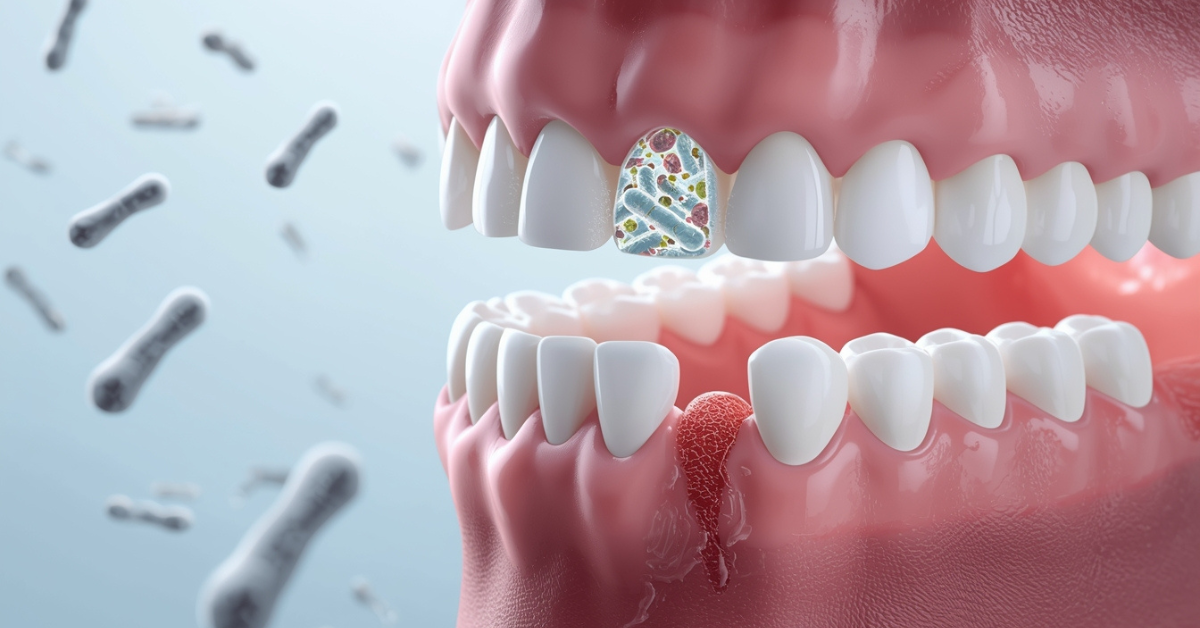
The oral microbiome is made up of hundreds of bacterial species that live on the teeth, tongue, gums, and saliva. Some of these bacteria are beneficial and help protect oral tissues, while others can contribute to plaque buildup, gum irritation, and unpleasant odors.
When the oral microbiome is balanced, beneficial bacteria help control harmful strains. When this balance is disrupted, odor-causing bacteria may become dominant.
➡️oral microbiome and dental health
How Bacteria Cause Bad Breath
What causes bad breath
The main cause of chronic bad breath is the production of sulfur compounds by certain bacteria. These bacteria feed on food particles and proteins left in the mouth, especially on the tongue and along the gum line.
As these bacteria break down proteins, they release volatile sulfur compounds, which are responsible for unpleasant odors. Poor oral hygiene, dry mouth, and gum inflammation can increase the growth of these bacteria.
Common Causes of Persistent Bad Breath
Several factors can contribute to long-lasting bad breath, including:
- Bacterial buildup on the tongue
- Gum inflammation or bleeding
- Dry mouth caused by dehydration or stress
- Diets high in sugar and refined carbohydrates
- Inconsistent oral hygiene habits
These factors often work together, making bad breath difficult to resolve without addressing the underlying bacterial imbalance.
Why Mouthwash Often Fails Long-Term
What causes bad breath
Many people rely on strong antibacterial mouthwashes to control bad breath. While these products may provide temporary freshness, they often eliminate both harmful and beneficial bacteria.
This disruption can worsen the imbalance of the oral microbiome. As a result, odor-causing bacteria may return quickly, sometimes in greater numbers, leading to recurring bad breath.
A balanced approach focuses on supporting beneficial bacteria rather than eliminating all bacteria.
Restoring Balance to the Oral Microbiome
Supporting a healthy oral microbiome is one of the most effective ways to address bad breath naturally. This involves creating an environment where beneficial bacteria can thrive and harmful bacteria are kept under control.
Helpful practices include:
- Gentle brushing and flossing
- Regular tongue cleaning
- Staying well hydrated
- Reducing sugar intake
- Avoiding excessive use of harsh mouthwashes
Consistency in these habits plays a key role in restoring balance over time.
The Role of Oral Probiotics in Breath Support
Oral probiotics are designed to introduce beneficial bacteria directly into the mouth. These bacteria help compete with odor-causing strains and support a healthier microbial environment.
By encouraging beneficial bacteria to colonize the mouth, oral probiotics may help reduce sulfur compound production and support fresher breath naturally.
➡️ oral health support solutions
Diet and Its Impact on Oral Bacteria
Diet plays an important role in shaping the oral microbiome. Sugary and highly processed foods feed harmful bacteria, increasing the risk of odor and inflammation.
Foods that support oral health include:
- Crunchy vegetables
- Fiber-rich foods
- Mineral-rich options
- Low-sugar dietary choices
Balanced dietary habits support saliva production, which helps naturally cleanse the mouth and control bacterial growth.
When Bad Breath May Signal Other Issues
Persistent bad breath can sometimes indicate underlying oral health concerns such as gum inflammation or plaque buildup below the gum line. Regular dental checkups are important for identifying and addressing these issues early.
Professional guidance complements daily oral care and helps maintain long-term oral health.
Long-Term Approach to Fresh Breath
Managing bad breath is not about quick fixes. Long-term success depends on maintaining a balanced oral microbiome through consistent habits, proper hydration, and supportive care.
Educational approaches to oral health emphasize prevention, balance, and sustainability rather than temporary solutions.
Conclusion
Understanding what causes bad breath begins with understanding the oral microbiome. Persistent bad breath is often the result of bacterial imbalance rather than poor hygiene alone.
By supporting a balanced oral environment through gentle care, healthy habits, and microbiome-friendly approaches, fresher breath becomes easier to maintain over time. Focusing on balance rather than elimination creates a more sustainable path to long-term oral wellness and confidence.